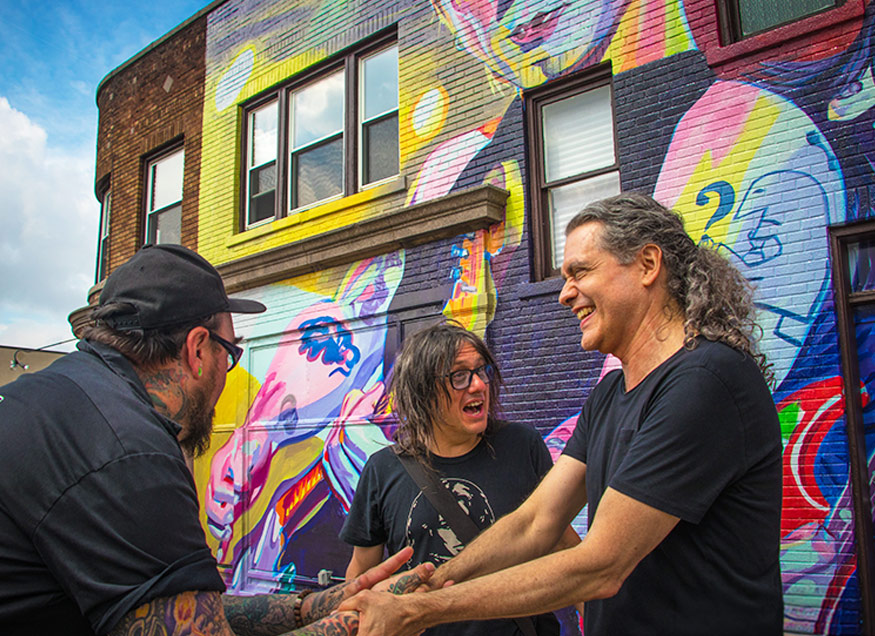
Tuk Talks: Buffalo NY's Art Scene Exposed
Arts • Music • Culture in Buffalo and Beyond.
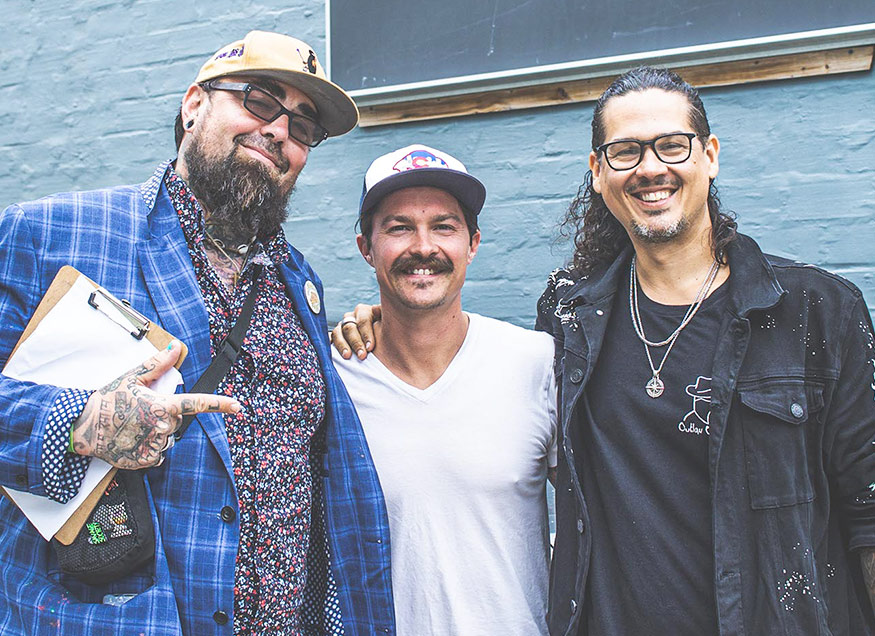
Featured Guests
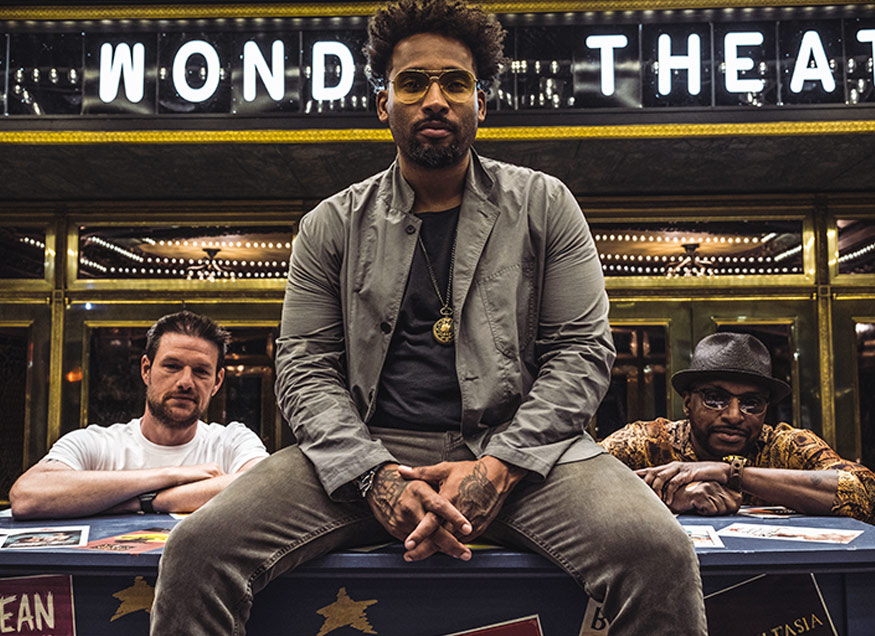
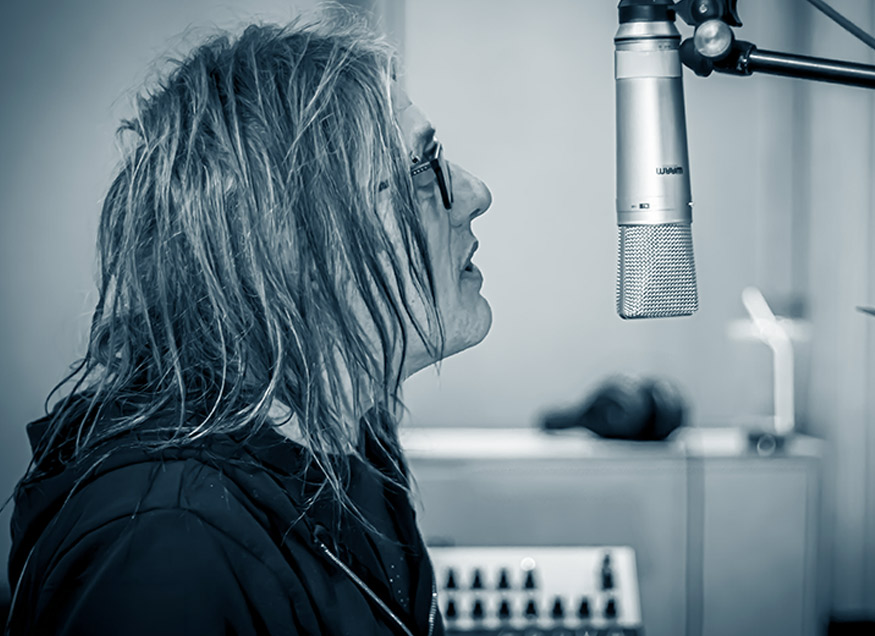
- Robby Takac (Goo Goo Dolls)
- Philip Burke
- Addison Henderson
- Zamir Gotta
FILM DETAILS
Title
Tuk Talks
Format
Feature Documentary
Runtime
39 Minutes 49 Seconds
Released
2021
Directed by:
Mark Madden & Rob Szobski
Tuk Talks is:
Joshua Bornhoeft, Mark Madden & Rob Szobski
A moving portrait of Buffalo's creative renaissance.
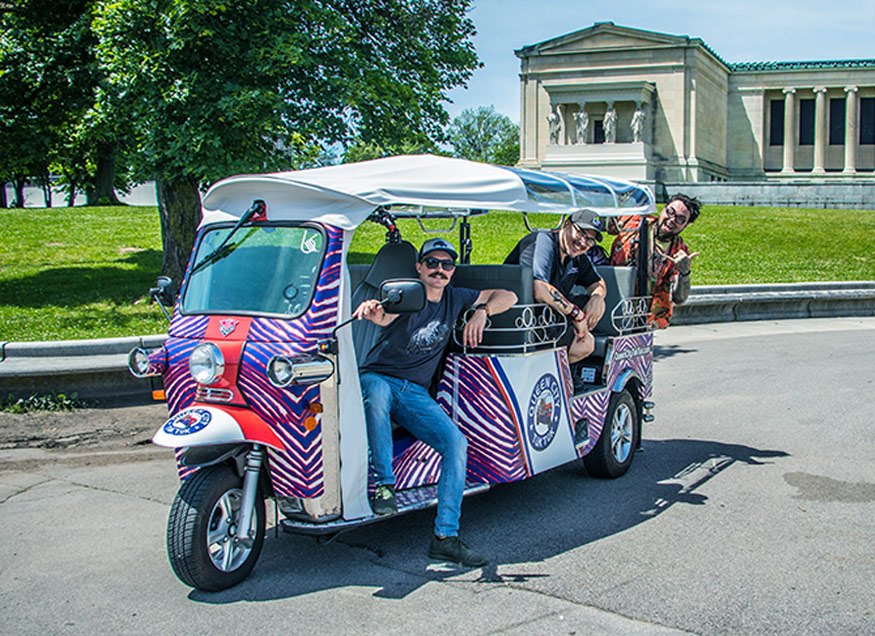
Tuk Talks follows a colorful tuk-tuk through the streets of Buffalo, New York, where artists, musicians, filmmakers, and entrepreneurs share the stories behind the city's cultural transformation. Featuring internationally recognized guests alongside hometown visionaries, the documentary captures a pivotal moment in Buffalo's evolution through authentic conversations, striking visuals, and an unmistakable sense of place.
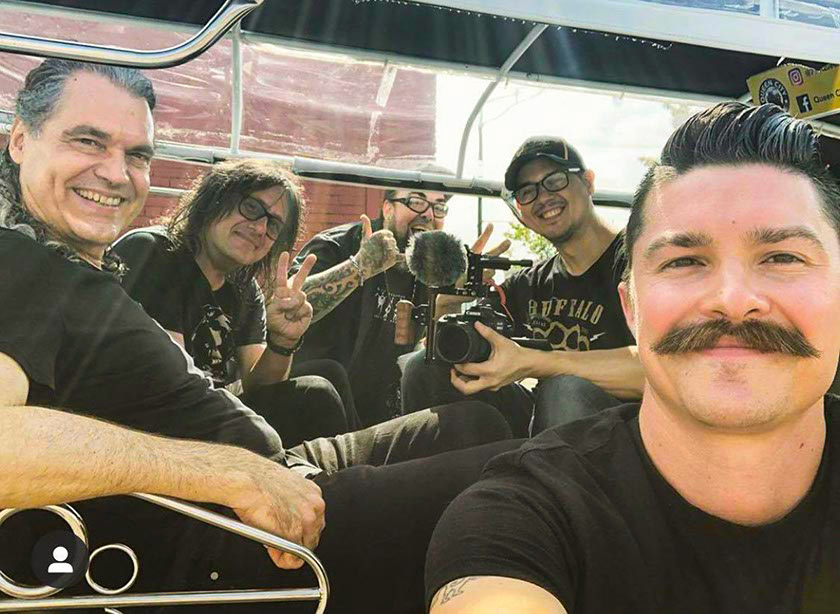
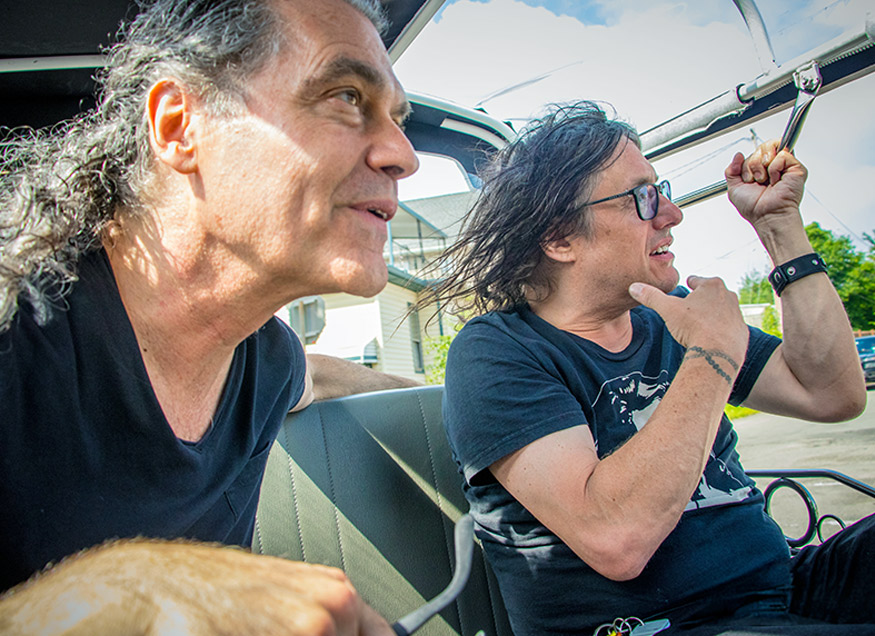
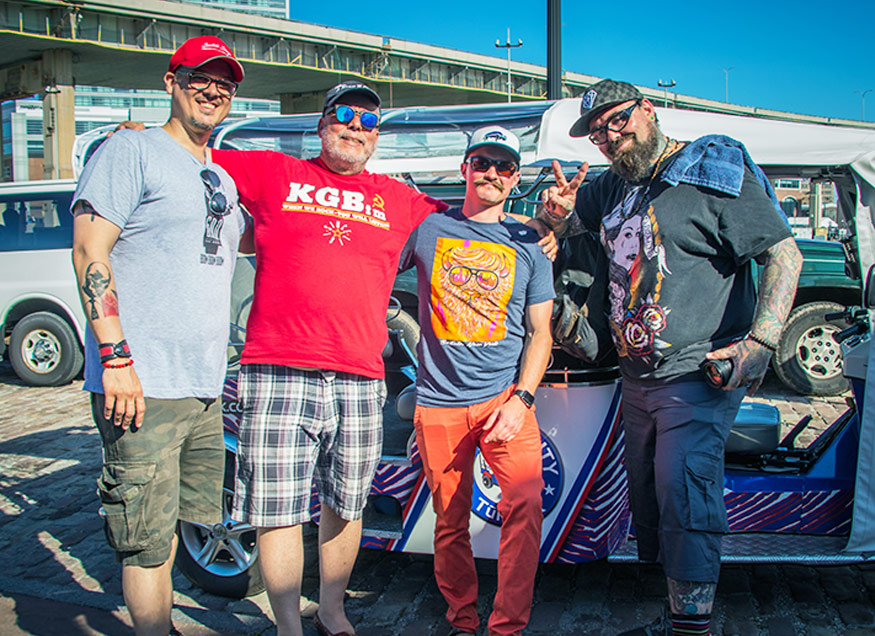
Watch the film below and head to the bottom for our BTS gallery by Rob Szobski.
Tuk Talks: How My First Feature-Length Documentary Captured Buffalo’s Creative Renaissance
There are certain projects that change the trajectory of a creative career. For me, Tuk Talks was one of them.
Released in 2023, Tuk Talks marked my first feature-length documentary and represented far more than another video production. It was my introduction to long-form documentary storytelling—a project that challenged me technically, creatively, and personally while allowing me to help preserve an important moment in Buffalo’s cultural history.
What began as a simple idea eventually became a moving portrait of a city experiencing a creative rebirth.
The Beginning
The original concept wasn’t mine.
Tuk Talks was the brainchild of Buffalo tattoo artist and muralist Mark Madden, whose work and relationships have made him a well-known figure within Western New York’s creative community. Mark envisioned a documentary that would showcase the artists, musicians, entrepreneurs, and visionaries helping reshape Buffalo’s identity.
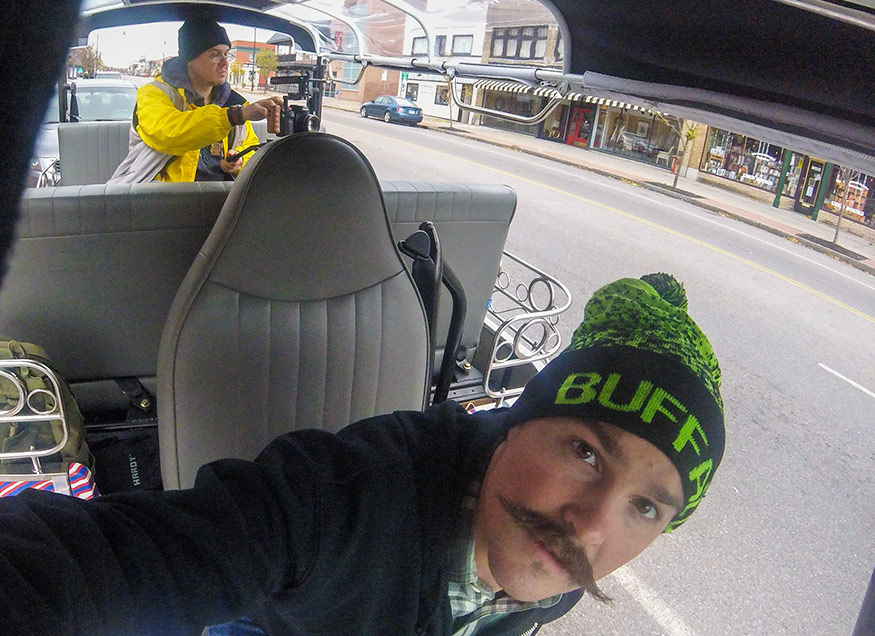
To bring that vision to life, he partnered with Joshua Bornhoeft, owner of Queen City Tuk Tours. Josh supplied the film’s most recognizable character—the brightly colored tuk-tuk itself—and became the primary interviewer, using his outgoing personality to create relaxed conversations with our guests.
I joined the project as the visual director and filmmaker.
My responsibility was to transform an ambitious concept into a cinematic documentary.
That meant wearing nearly every production hat imaginable.
I developed the visual style, directed production, operated camera, handled cinematography, recorded production audio, edited the documentary, designed motion graphics, color graded the footage, mixed sound, and assembled the final story. Every frame that appears in Tuk Talks passed through my hands before audiences ever saw it.
For me, this wasn’t simply another client project—it became a masterclass in documentary filmmaking.
Why a Tuk-Tuk?
One of the first questions people ask is…
“Why interview people from a tuk-tuk?”
That’s exactly why we did it.
Traditional documentaries often rely on static interviews in studios or offices. We wanted something that reflected Buffalo itself—energetic, unexpected, and constantly moving.
The tuk-tuk instantly became an attraction.
People waved.
They smiled.
They stopped to watch.
It opened conversations before the camera even started recording.
More importantly, it allowed us to travel through Buffalo instead of simply talking about it. Between interviews, viewers experience the city’s architecture, neighborhoods, murals, and streets, turning Buffalo into another character in the film rather than just a backdrop.
Capturing Buffalo at a Turning Point
When we began filming, Buffalo was experiencing something many longtime residents had been waiting decades to see.
Artists were opening studios.
Murals were appearing throughout neighborhoods.
Independent businesses were investing in the city.
Musicians, filmmakers, entrepreneurs, and creatives were choosing to build careers in Buffalo instead of leaving it.
Rather than telling audiences what Buffalo was becoming, we wanted them to hear directly from the people creating that change.
Conversations with Creative Icons
One of the greatest privileges of making Tuk Talks was spending time with some of Buffalo’s most influential creative voices.
Among the featured guests were Robby Takac of the Goo Goo Dolls, legendary illustrator Philip Burke, filmmaker Addison Henderson, and world traveler Zamir Gotta, known by many for his adventures alongside Anthony Bourdain.
One memory stands above all the others.
Sitting down with Philip Burke and Robby Takac together.
To have two internationally respected artists sharing stories inside one documentary—and to be the filmmaker responsible for preserving those conversations—is something I’ll always be grateful for.
Moments like that reminded me why documentaries matter.
They’re time capsules.
The Biggest Challenge
If there was one thing that kept us constantly adapting, it was audio.
Filming inside a moving open-air vehicle while traveling city streets presents challenges most productions never encounter.
Traffic.
Wind.
Road noise.
Changing locations.
Changing weather.
Unexpected interruptions.
Every interview required balancing spontaneity with technical precision.
Good audio is often invisible when audiences watch a film—but achieving it on Tuk Talks was one of the most difficult aspects of production.
It forced me to become a better filmmaker.
Community Response
One of the most rewarding aspects of the project was seeing how enthusiastically Buffalo embraced it.
The documentary was screened at venues across the city, including the historic North Park Theatre, where independent cinema has become an important part of Buffalo’s cultural landscape. North Park Theatre
The project also received coverage from local media and generated conversations about Buffalo’s evolving creative identity. It reinforced something I had already begun to believe: people are hungry for authentic stories about their own communities.
Looking Back
Years later, I still view Tuk Talks as one of the defining milestones of my career.
It taught me how to think beyond individual scenes and begin shaping complete narratives.
It challenged me to solve production problems in real time.
It introduced me to remarkable people.
Most importantly, it proved that documentaries don’t have to focus on distant places or famous events to matter.
Sometimes the most meaningful stories are happening in your own city.
More Than a Documentary
Today, my work spans filmmaking, photography, branding, marketing strategy, and creative consulting.
Looking back, I can see how Tuk Talks became the bridge between many of those disciplines.
It combined visual storytelling, interviewing, cinematography, editing, design, and marketing into a single project.
In many ways, it foreshadowed the multidisciplinary approach I continue to bring to every project today.
As Buffalo continues to evolve, I’m proud that Tuk Talks captured one chapter of that story—a snapshot of a city finding its creative voice through the people bold enough to shape its future.